Compliance is per market, not per factory
A factory can be certified and still ship a product that is non-compliant in your market. The certificate covers how the product is made; the regulation covers what is in it and what the label says. Both have to be right, and they are different jobs.
What the factory holds
ISO 22716:2007
Cosmetics GMP · SGS CN19/31476 · valid to 2028-09-03
US FDA CFSAN
Cosmetic GMP · SGS CN19/31477 · valid to 2028-09-03
FDA facility registration
FEI 3015316073
China cosmetics production licence
粤妆20160335 · valid to 2027-07-20
Social compliance
amfori BSCI monitoring ID 25-0314051-1
What we prepare for each region
European Union
- Product Information File support
- Safety assessment inputs and CPSR reference
- CPNP notification data pack
- INCI labelling and allergen declaration
United States
- FDA facility registration maintained
- Ingredient and labelling review to US requirements
- Colour additive and prohibited-substance screening
- MoCRA facility and product listing data support
United Kingdom & ASEAN
- UK SCPN notification data
- ASEAN Cosmetic Directive documentation
- Local responsible-person coordination
- Language-specific label artwork review
China
- Domestic filing experience since 2007
- Ingredient compliance against the IECIC list
- Testing coordination with accredited labs
- Production licence held at the manufacturing site
Testing before claims
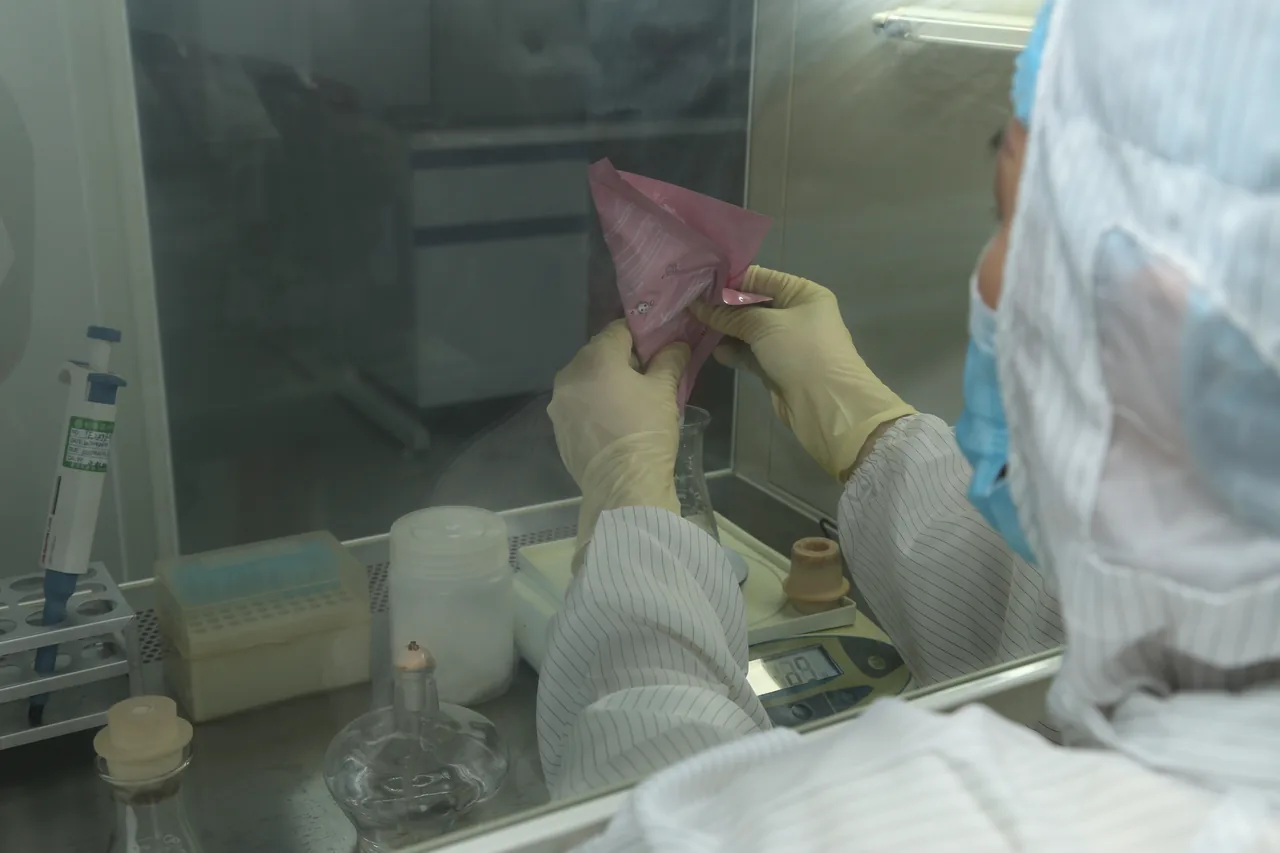
Stability, preservative efficacy and micro testing run in-house. Third-party testing — challenge tests to a specific standard, clinical efficacy, or safety assessment — is coordinated with accredited external laboratories when your market requires it.
What we do not claim
Which market are you launching in?
Name the country and we will tell you exactly which documents you will need, which of them we prepare, and which need a local partner.